Continuous Curves Shape Light and Space
April 21, 2026
April 21, 2026
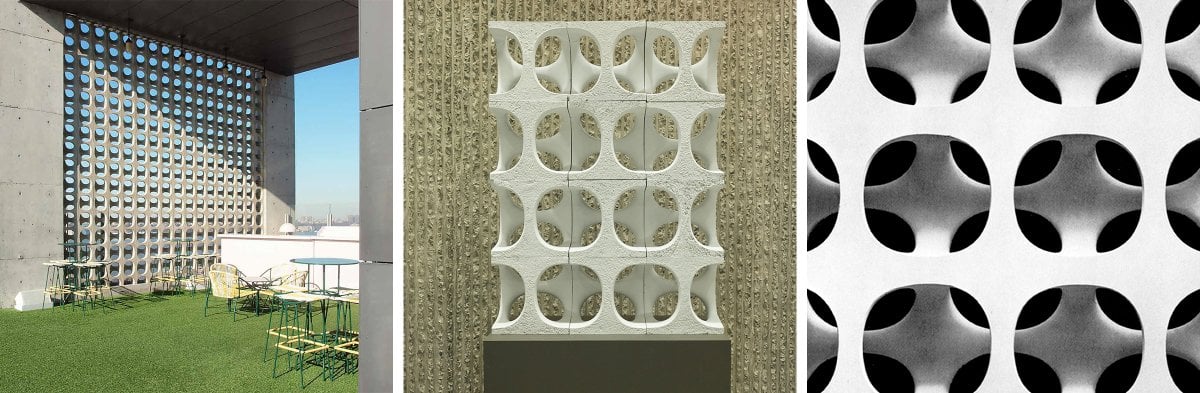
Austrian sculptor Erwin Hauer dedicated his life and prolific career to perfecting light-diffusing screens and room dividers that are now considered quintessential works of modernism. From sculptures to architectural screens, Hauer’s body of work celebrates the infinite, continuous surface—or Modular Constructivism.
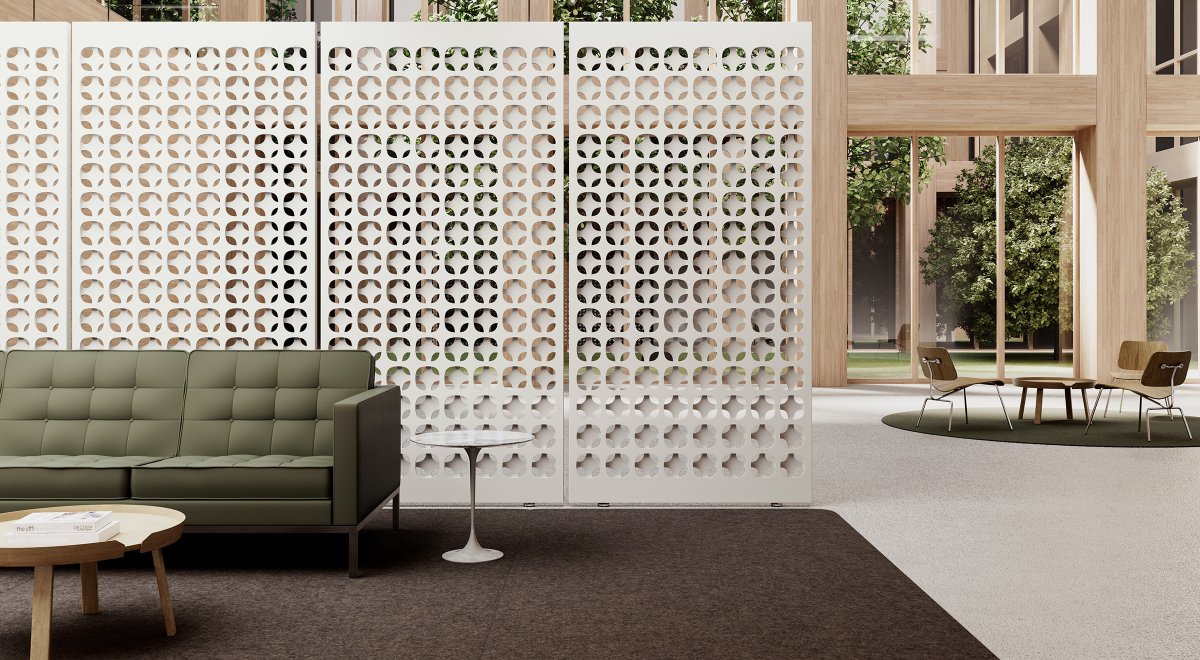
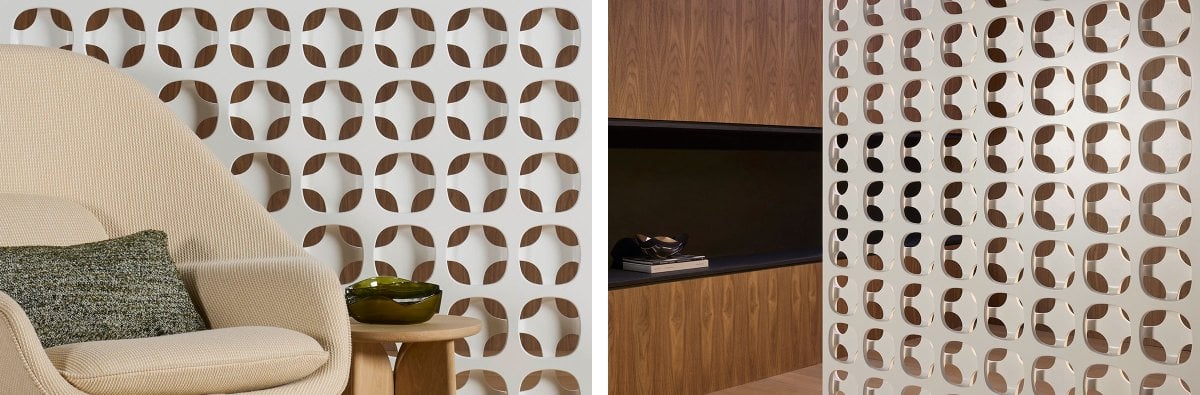
Part of Erwin Hauer’s Continua series, Design 5 explores the concept of an infinite surface, a style Hauer encountered in the nature-inspired lines and curves of modernist sculptor Henry Moore. Spinneybeck continues its ongoing effort to revitalize Hauer’s work, bringing the striking screen back into contemporary spaces. Now available as a space divider, Design 5 delineates space and diffuses light with a sophisticated homage to modernism.
In 1950, Austrian sculptor Erwin Hauer began exploring modular sculptures that took shape as light-diffusing screens and walls, first appearing in churches in Vienna. These screens garnered attention abroad and eventually brought Erwin Hauer to the United States, where, after decades of success, he remained dedicated to his work as an independent sculptor in Bethany, Connecticut. For years, he delved into new designs and prototypes, producing a prolific body of work that continues to inspire architects and designers today.
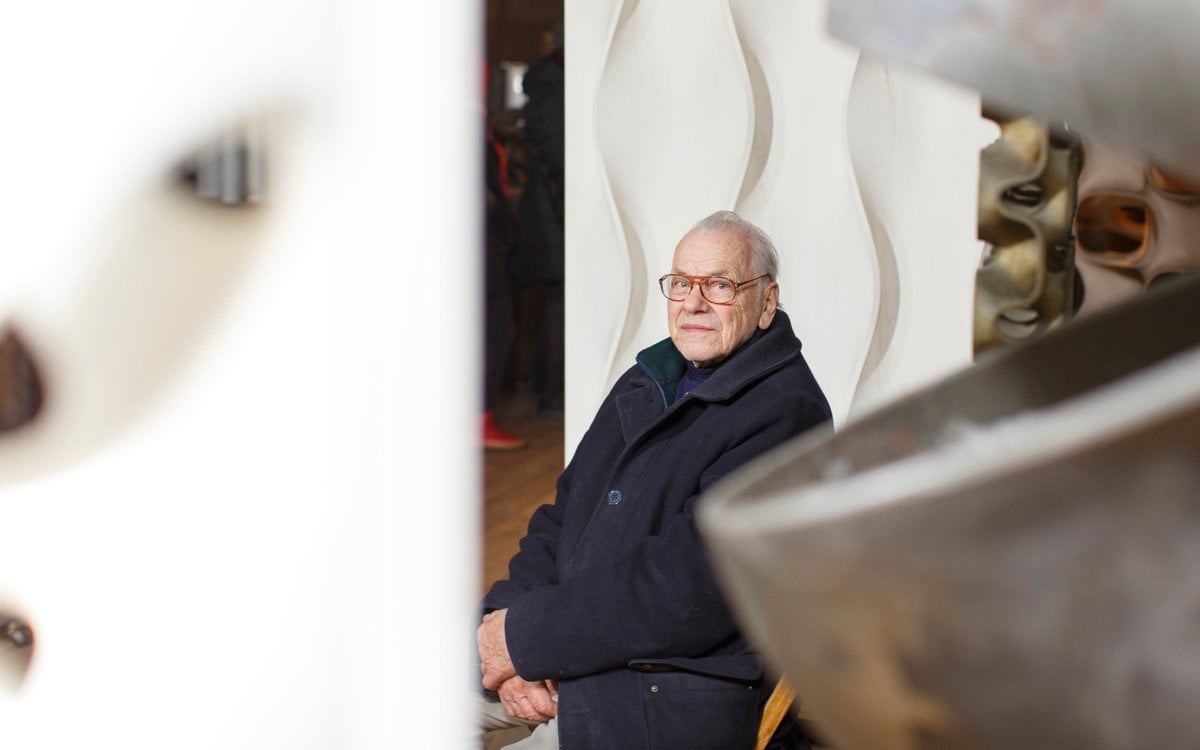
“Continuity and potential infinity have been at the very center of my sculpture from early on. I derived the notion of a continuous surface primarily from my studies of biomorphic form. This was greatly reinforced by my first encounter with the works of Henry Moore, who combined the dominant continuity of surface with an unprecedented cultivation of interior spaces with his sculpture.”
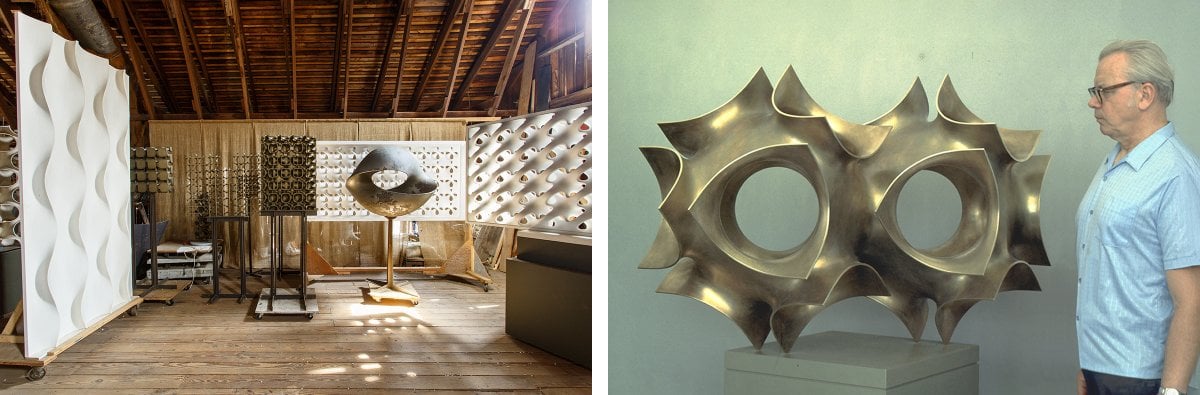
Design 5 explores the idea of an ‘infinite, continuous surface,’ a style Hauer encountered in the nature-inspired lines and curves of modernist sculptor Henry Moore. Many of Erwin’s works were the result of revisiting older designs, refining earlier ideas, and creating a family of structures that play with light and shadow in similar ways.
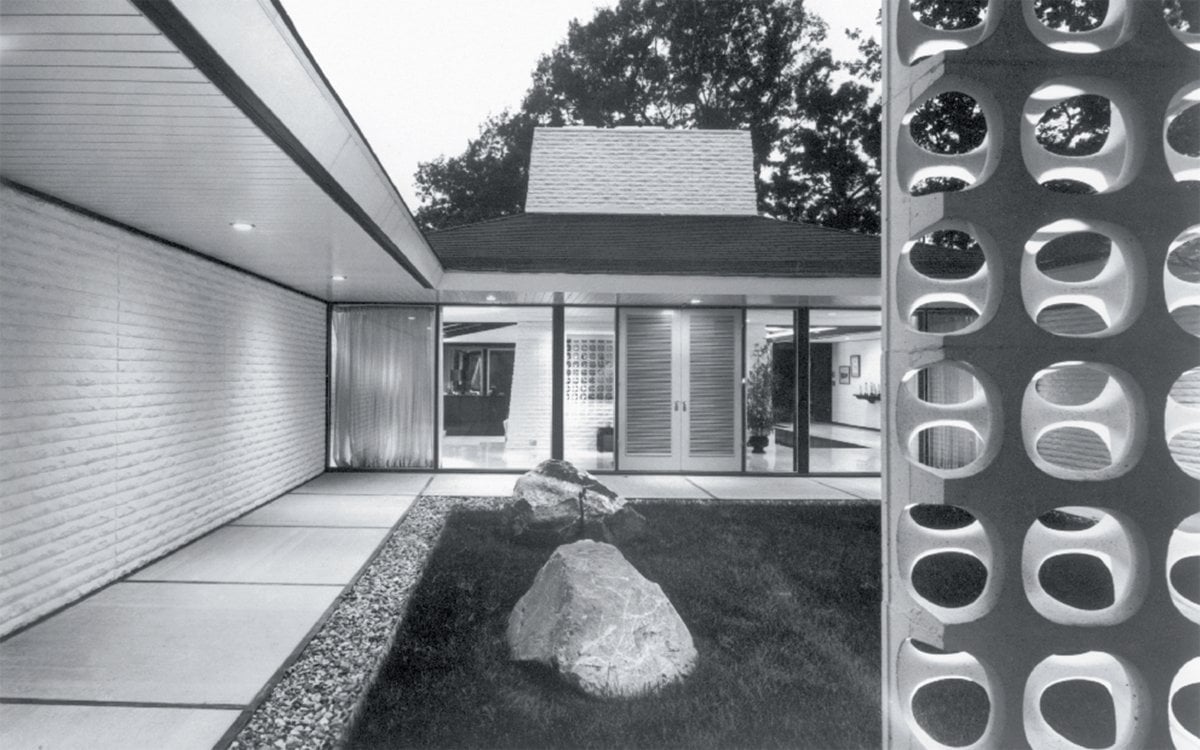
“Light that pours into the wall from the opposite side seems to cling to the surface, wrap around the sculpted forms, and illuminate even some parts of the surface that do not face the source of light.”